

Lithium car batteries come with lots of perks. First off, they're lighter than the old lead-acid batteries. This means cars can go faster and travel further. Plus, these batteries last longer, so you won't have to replace them as often. Charging them is quick, which means less waiting around and more time driving. They also …
How to Dispose of a Car Battery

To get rid of a car battery the right way, take it to recycling centers, places like AutoZone, or your local trash facilities. These spots know how to deal with harmful stuff like lead and acid, so they don't hurt the environment. You can't just throw car batteries in the regular trash because of laws …
Car Battery Weight Specifications
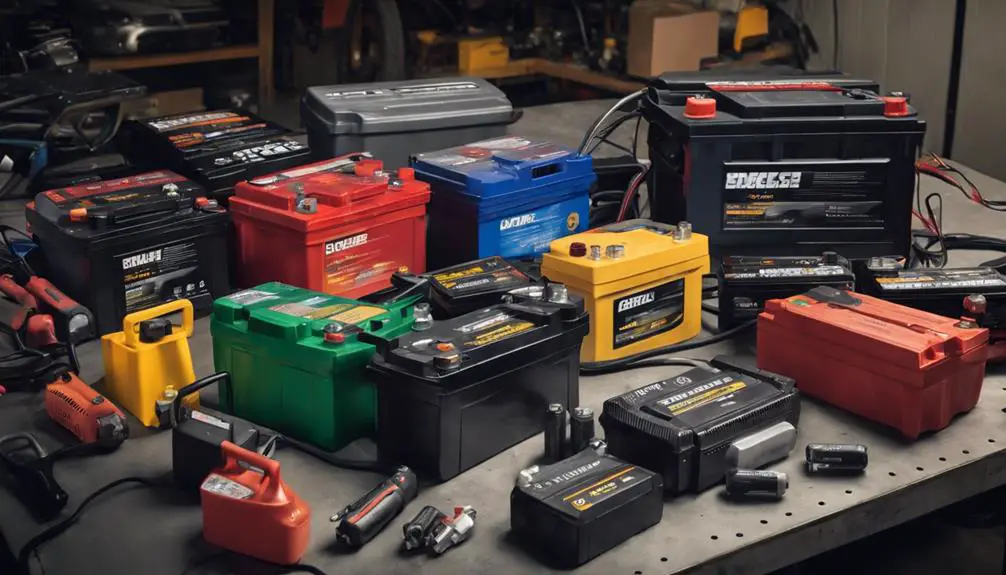
Car batteries usually weigh between 30 to 50 pounds. The weight depends on the type of battery, its size, and what the vehicle needs. Smaller cars and hybrid vehicles often use lighter batteries. On the other hand, trucks and SUVs need heavier ones. Lead-acid batteries are usually heavier than lithium-ion ones. Lithium-ion batteries are lighter, …
How to Replace Car Battery Cables
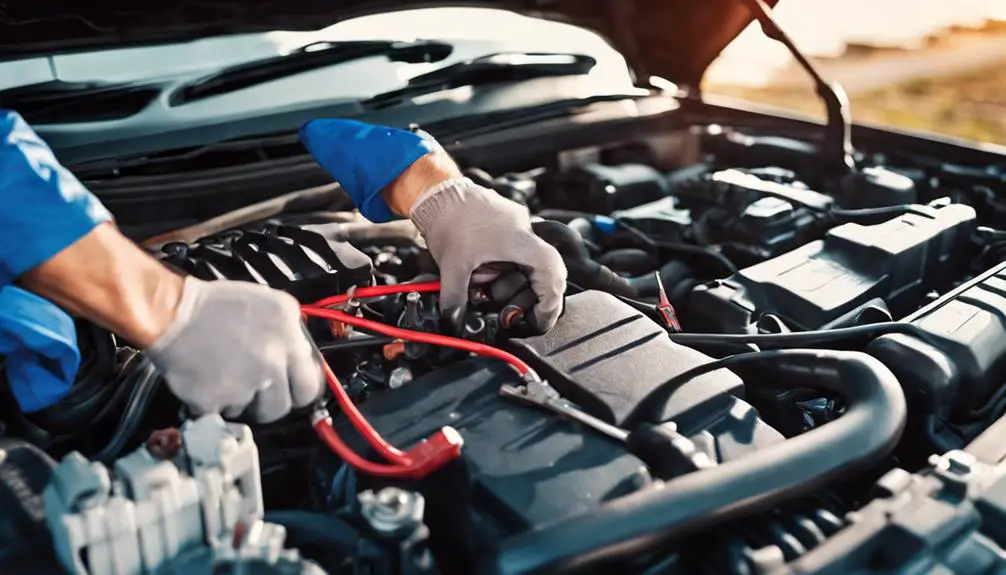
To change your car's battery cables, start by gathering what you'll need: wrenches with insulation, a wire cutter, a wire stripper, and safety gear like gloves and goggles. Make sure the car is off, and the key is out. First, use a wrench to disconnect the cable on the negative side, then do the same …
Car Battery Terminal Types
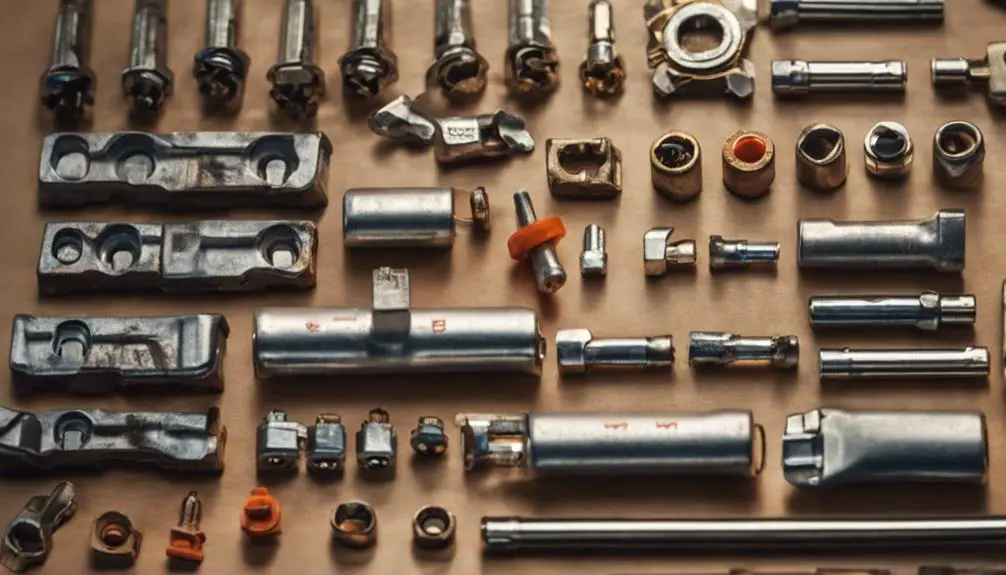
Car battery terminals come in different types. The most common is the top-post terminal, which is easy to access and maintain. Side-post terminals are found in many newer cars. They have a compact design that helps prevent rust. L-type terminals are usually in European cars and need special tools to install. Threaded stud terminals are …
Car Battery Reserve Capacity
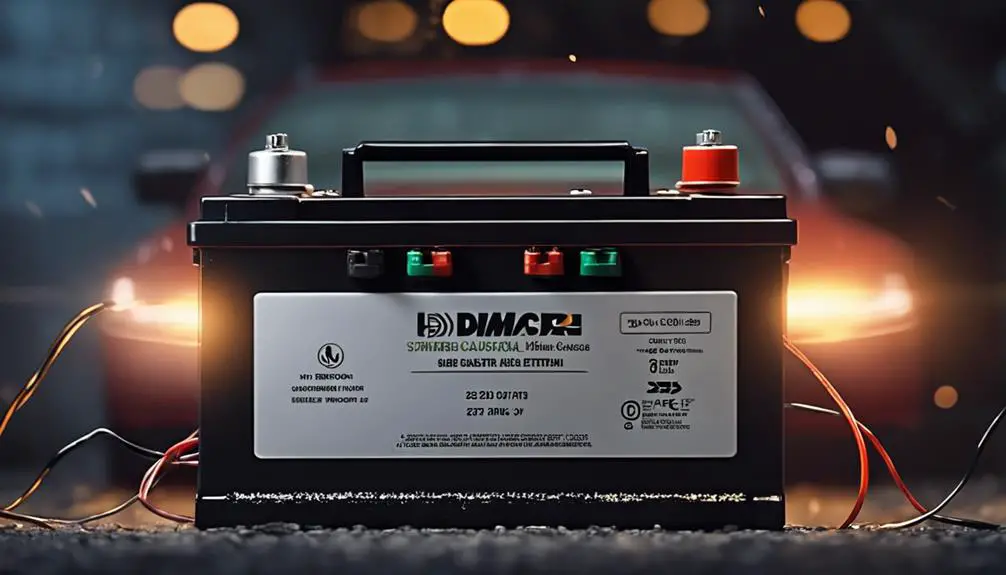
A car's battery reserve capacity tells you how long the battery can keep essential parts of your car running if the alternator stops working. This is important for your car's reliability, especially in emergencies. Reserve capacity is measured in minutes. It shows how long the battery can handle a 25-amp load before the voltage drops …
Car Battery Lifespan Extension
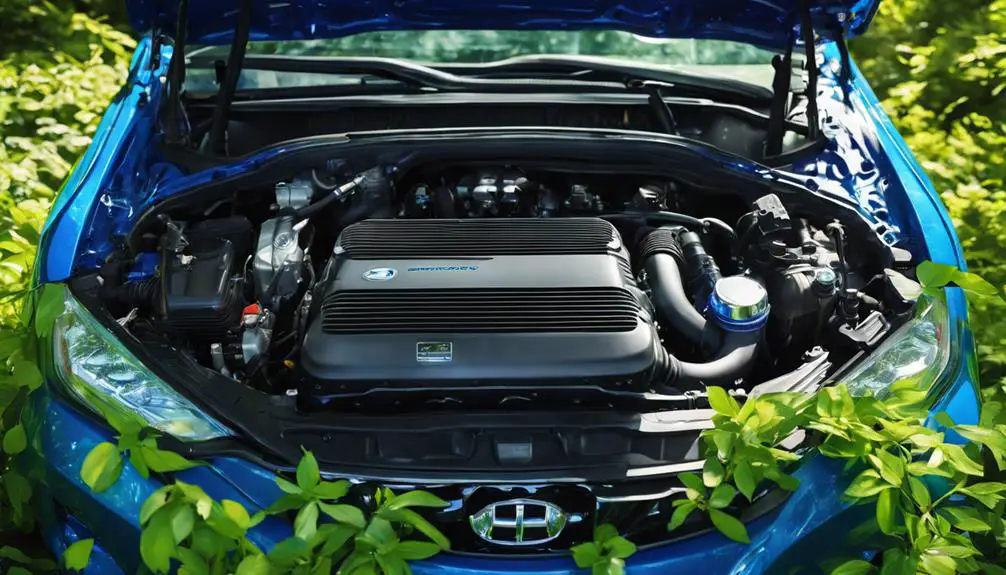
To make your car battery last longer, take good care of it and drive smartly. Try to park in shady spots to keep it cool and use tools like battery maintainers to keep it charged. Check for any rust or corrosion on the battery often. Make sure the connections are tight so the battery doesn't …
Car Battery for Cold Weather

To keep your car running well in cold weather, it's important to pick the right battery. Look for batteries with high Cold Cranking Amps (CCA). These give your car enough power to start when it's really cold. AGM batteries are a good choice because they don't freeze easily and work well in tough conditions. Brands …
How to Store a Car Battery

To keep a car battery in good shape while storing it, start by cleaning the battery's terminals and case. This helps stop rust. Charge the battery fully so it doesn't get damaged. Disconnect it from the car to save power. Stand the battery upright in a cool, dry place. The best temperature is between 32°F …
Car Battery Amperage Requirements
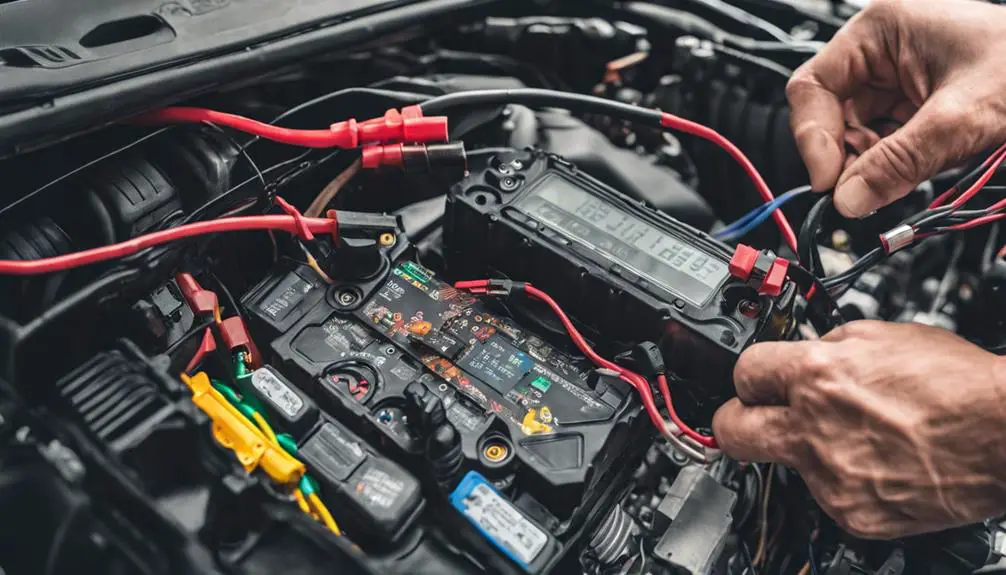
Car battery needs can change based on a few things like the size of your engine, the weather, and any extra gadgets you have in your car. Bigger engines and cold weather usually need more power to start the car. Cold Cranking Amps (CCA) help the car start in cold weather. Reserve Capacity (RC) tells …