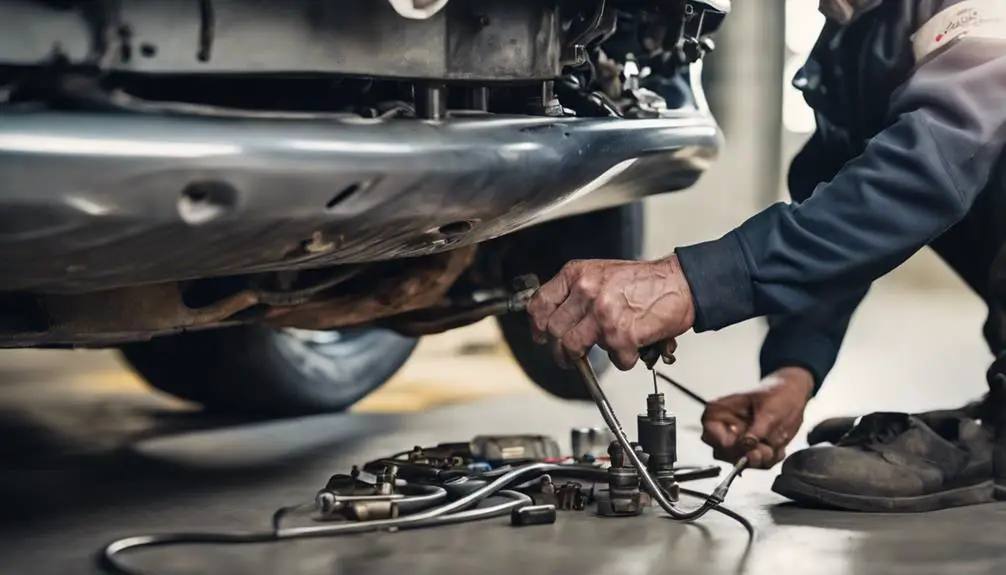
Checking your brake lines regularly is important for keeping your car safe and running well. Watch out for problems like a squishy brake pedal, fluid spills, or rust. It's a good idea to inspect them once a year, or more if you drive in tough conditions. You'll need a flashlight, a board with wheels to …
Brake Line Size: Front vs. Rear Brakes and Proper Installation (2025 Guide)
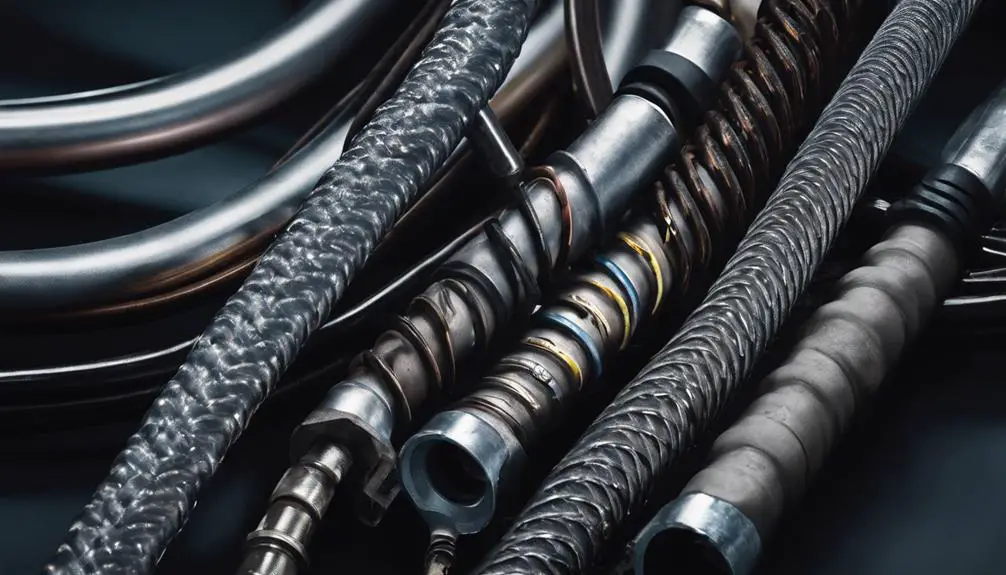
The size of brake lines is really important for how well a vehicle's brakes work and keep you safe. Most brake lines are usually about 3/16 inch wide. This size helps the brake fluid move well and transfers force effectively. Bigger vehicles might need different sizes because they need to handle more pressure. To make …
Brake Line Fitting Types: Essential Tools for Replacement and Maintenance (2025 Edition)
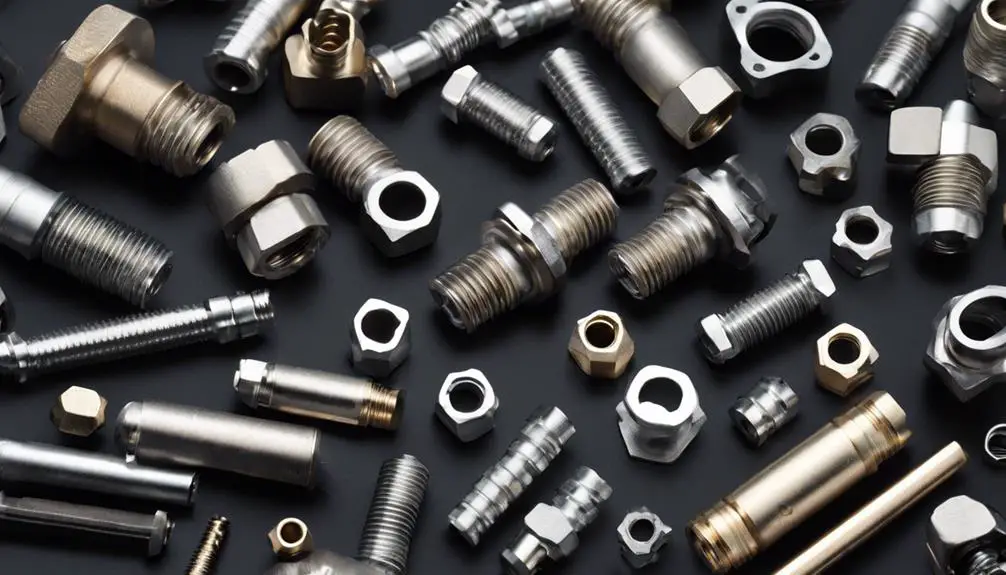
Brake line fittings are important parts of a car's braking system. They help keep the connections tight and prevent leaks. There are a few main types. Double flare fittings are common in North America. Bubble flare fittings are often found in European and Asian cars. Inverted flare fittings are seen in older models. Compression fittings …
Brake Line Kit
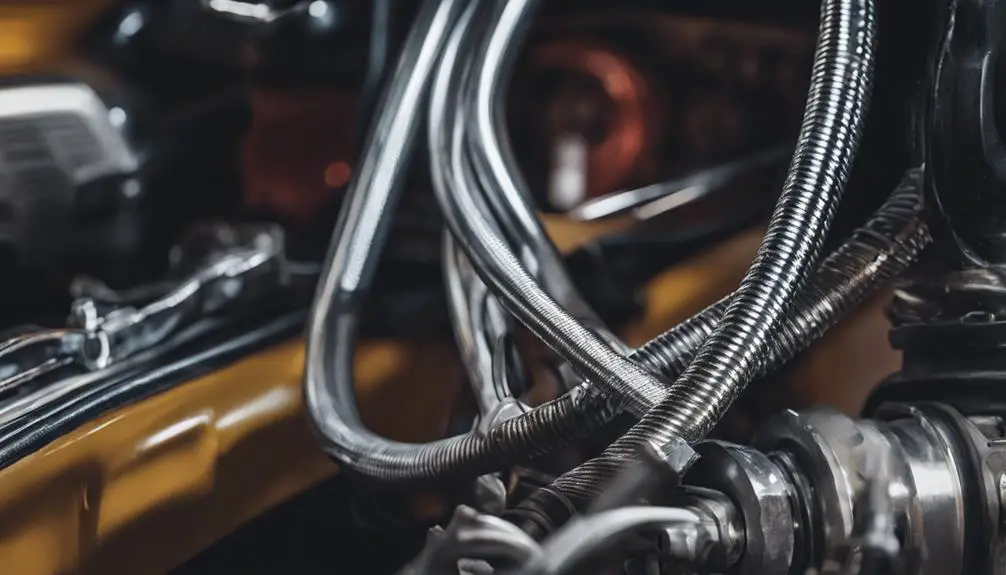
A brake line kit is important for keeping your car's brakes working well. It helps move brake fluid around the system. These kits usually come with metal or rubber lines, connectors, brackets, and covers. All these parts help stop leaks and keep the system steady. Some kits use strong stainless steel for better durability and …
Brake Line Flare Tool
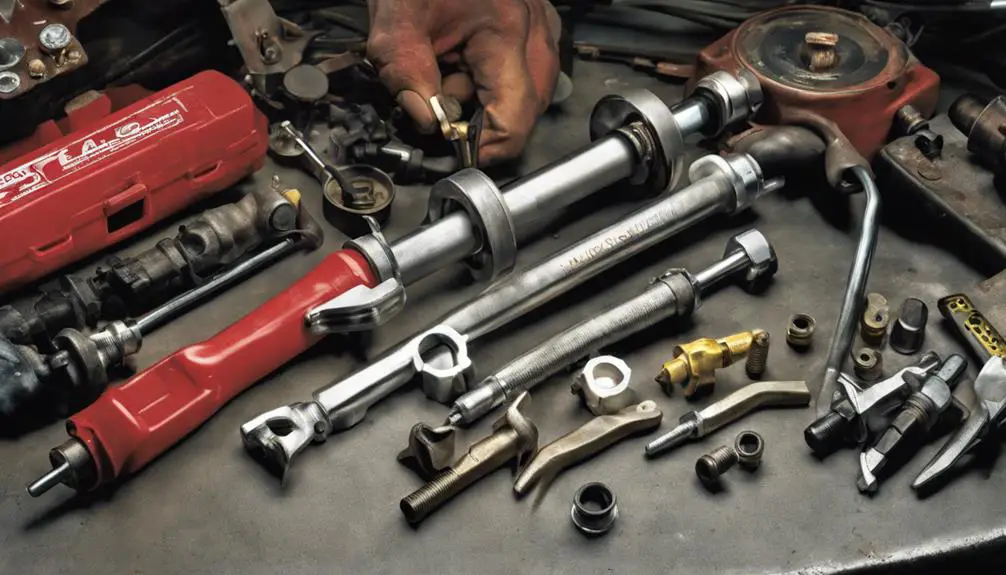
A brake line flare tool is important for keeping your car's brakes safe and working well. It helps shape the ends of brake lines so they fit tightly and don't leak. This tool can make different types of flares like single, double, and bubble flares, based on what your car needs. To use it right, …
Brake Line Diagram
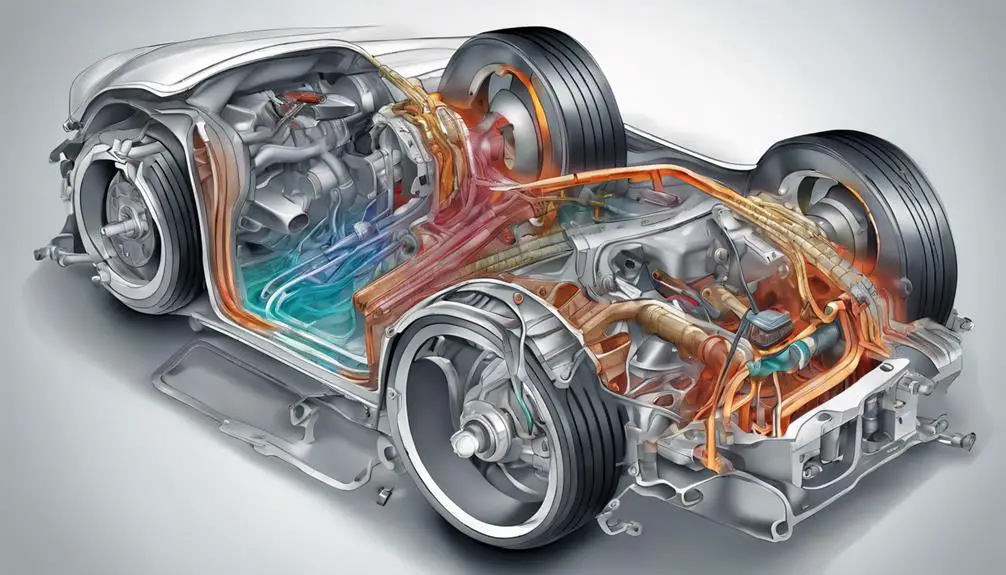
A brake line diagram shows how a car's brake system works. It's a picture that helps with fixing and checking brakes. It shows where the brake fluid goes, starting from the master cylinder and going to the calipers. This helps mechanics find problems like leaks or blockages. The diagram usually shows important parts like the …
Brake Line Rust Repair
Rusted brake lines are a big safety problem for your car. It's important to fix them quickly to avoid brake failure. You might notice rust if you see brown spots, brake fluid leaks, or if the brake pedal feels soft. To fix this, check the brake lines, cut out the rusty parts, and replace them …
Brake Line Bleeding
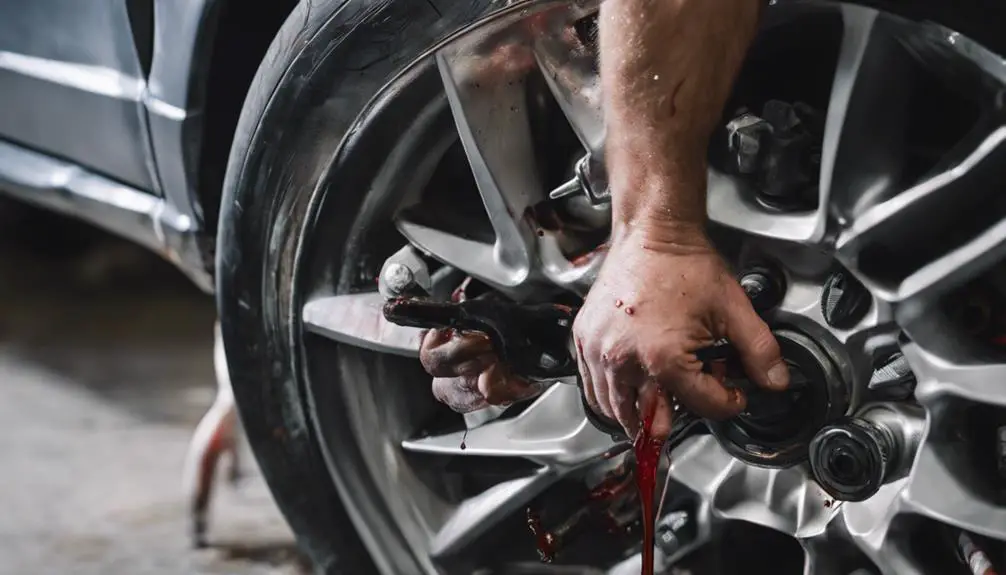
Getting rid of air in the brake lines is important to keep a car's brakes working well. This is called bleeding the brakes. You'll need some basic tools to do this, like a brake bleeder kit, some clear plastic tubes, wrenches, and new brake fluid. How do you know if your brakes need bleeding? If …
Brake Line Leak Symptoms
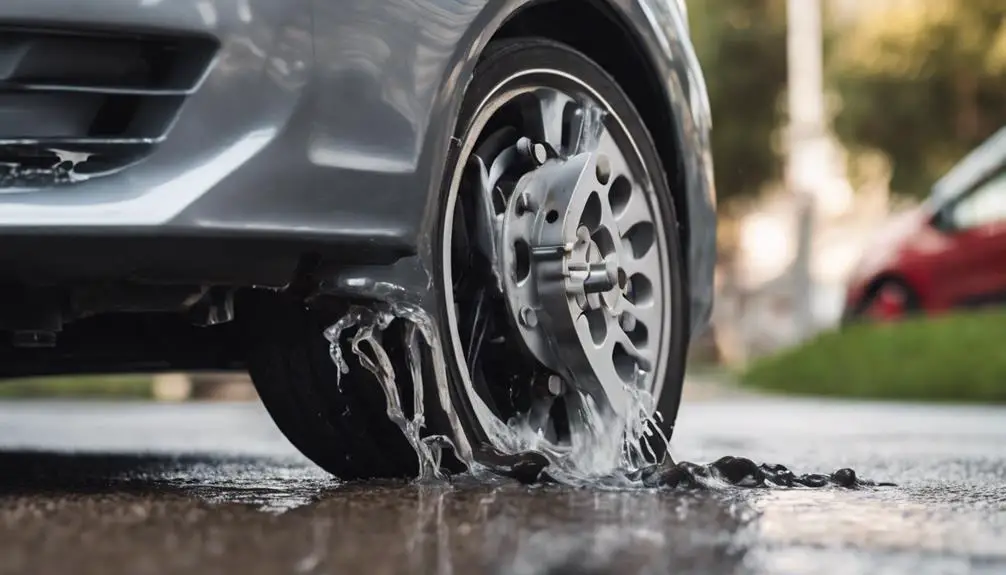
If your car's brake line is leaking, you'll notice a few signs. First, you'll see that the brake fluid level is dropping, and a warning light might show up on your dashboard. You might also feel that the brake pedal is soft or squishy, which makes it hard to stop the car quickly. Sometimes, when …
Brake Line Installation
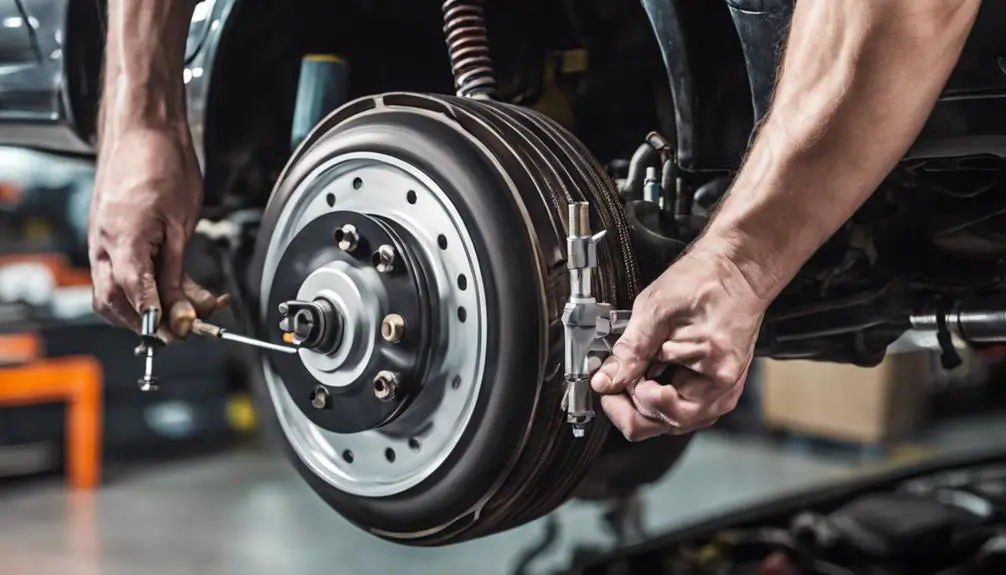
Putting in brake lines is important for your car's brakes to work well and keep you safe. First, lift the car and carefully take off the old brake lines. Make sure to clean the spots where the new lines will connect to keep dirt out. You'll need tools like a brake line flaring tool, a …