Ball joints are really important parts of a car's suspension system. They usually last between 70,000 and 150,000 miles. How long they last depends on things like the condition of the roads, how you drive, and if you keep up with maintenance. If you drive mostly on smooth roads, ball joints can last up to …
Category: Ball Joint
Difference Between Upper and Lower Ball Joints
Upper and lower ball joints are important for your car's suspension. The upper ball joints help with steering by allowing the steering knuckle to pivot. This helps you steer the car. The lower ball joints carry the car's weight and take on the bumps from the road. Because they hold up the car's weight, lower …
Ball Joint Noise Symptoms
If your car's ball joints are making noises, you might hear clunking, popping, or squeaking sounds. These noises usually happen because the ball joints are worn out, not well-lubricated, rusty, or damaged from a hit. You might notice these sounds more when you turn the steering wheel, hit the brakes, or drive over bumps. Upper …
How to Replace Ball Joints
To change ball joints, first, you'll need some tools: a ball joint press kit, a set of sockets, a torque wrench, a pry bar, and a hydraulic jack with stands. Make sure the car is lifted safely and held up well. Take off the wheel, brake caliper, and rotor so you can get to the …
Signs of a Bad Ball Joint
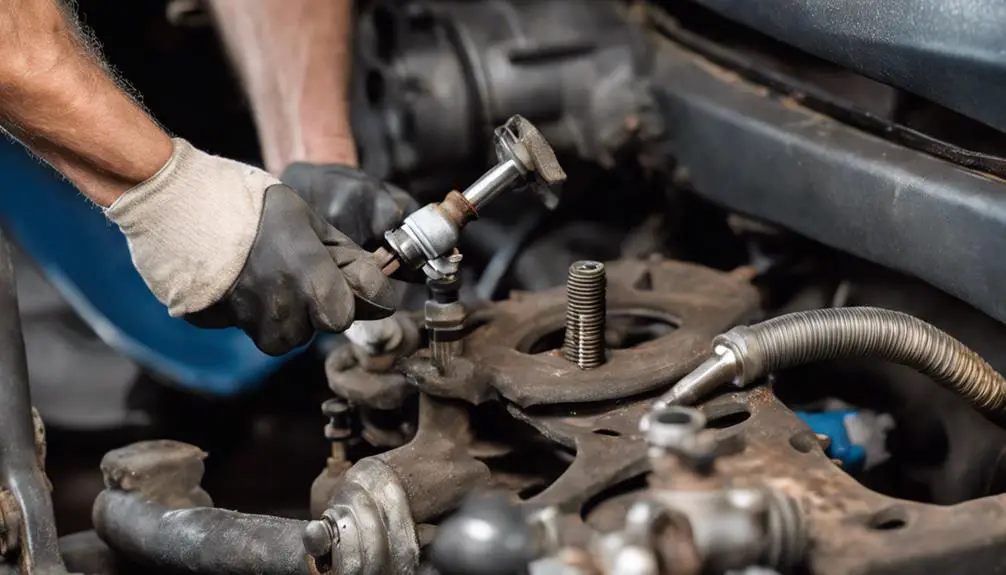
Signs of a bad ball joint can be easy to spot. You might hear clunking or squeaking sounds when you drive over bumps or make turns. The steering might feel loose or wander, and you could feel vibrations in the steering wheel. Tires might wear out unevenly or the car might not be aligned right, …
Ball Joint Replacement Cost
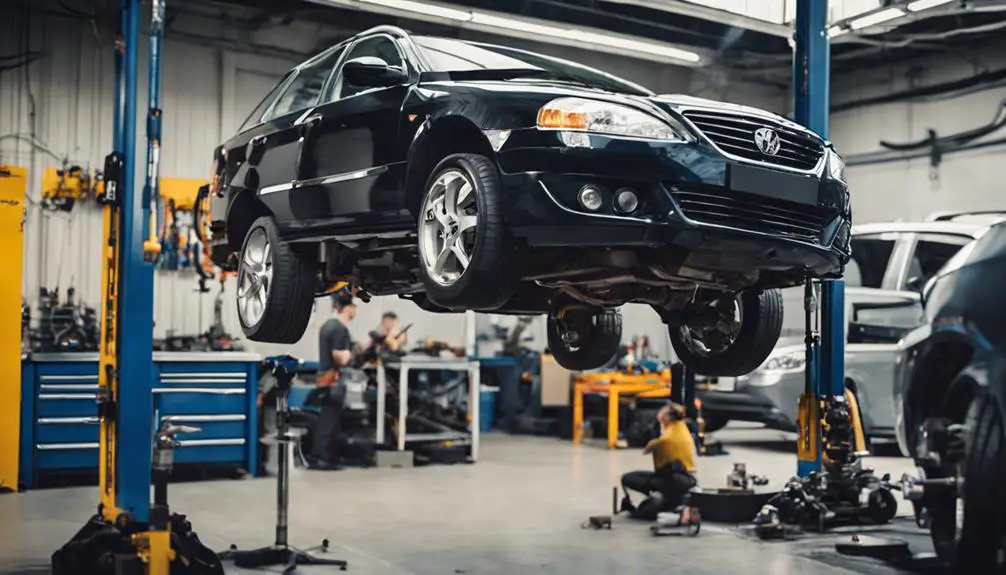
Replacing ball joints usually costs between $100 and $400. This price includes both the parts and the work done to install them. The ball joint part itself costs around $20 to $80. How much you pay for labor can change depending on how complicated your car is and where you live. If you have a …