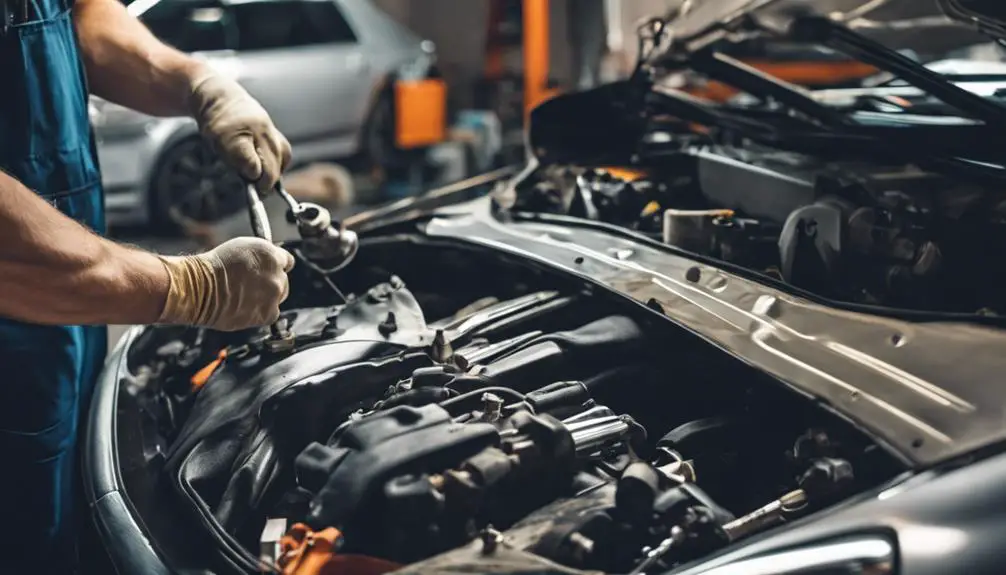
Finding a car bumper repair shop nearby is easy if you follow a few simple steps. Start by checking online reviews on sites like Google and Yelp. This will help you see what other customers think about the service. Look for shops with skilled workers and ask what materials they use for repairs. To get …
Author: Wilder Begay
Wilder Begay is the owner of RAV4 HYBRID PRIME and this website, autocarresource.com. He started this website to enlighten and clarify any confusion about Rav4 SUVs exclusively. The owner tries to take the most frequently asked questions and clarify each and every of those. He aims to give extensive information and knowledge about Toyota Rav4 SUVs.
Best Bumpers for Off-Road Vehicles: Durability, Performance, and Cost Comparison (2025 Edition)
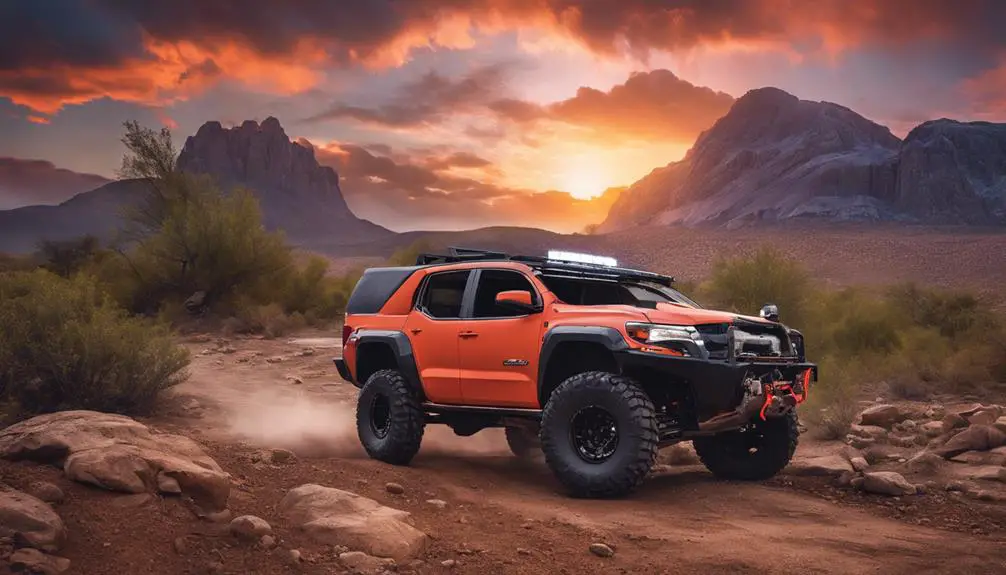
When picking a bumper for an off-road vehicle, you need to think about strength, the material it's made from, and the brand's reputation. Some top choices are the ARB Deluxe, Smittybilt XRC, and WARN Ascent bumpers. These are known for being strong and useful. Steel bumpers are great if you want strong protection against hits, …
How to Fix a Car Bumper: DIY vs. Professional Advice and Cost Comparisons (2025 Insights)
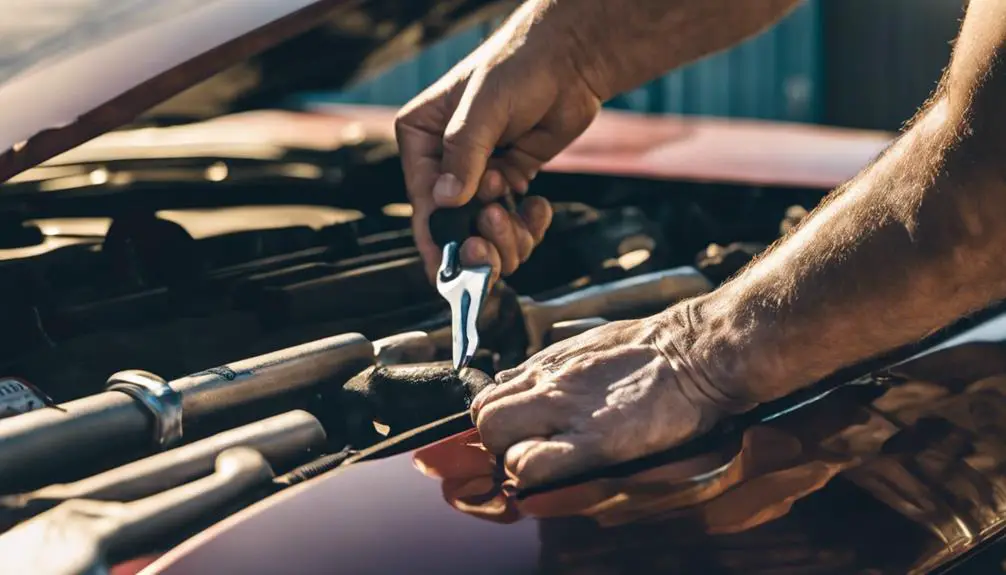
Fixing a car bumper needs some basic tools like a heat gun, screwdrivers, and sandpaper. Start by cleaning the area and sanding around the damage. If there are cracks, use plastic glue to fix them. You might want to add a fiberglass mesh to make it stronger. Once the glue is dry, sand it smooth …
Bumper Replacement Cost: Factors, Labor Charges, and Cost-Saving Tips (2025 Guide)
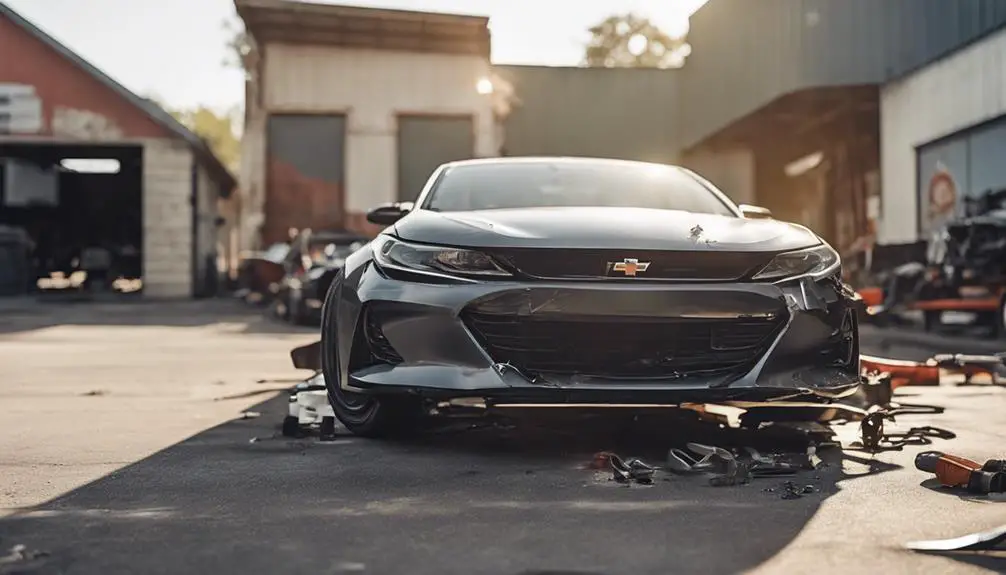
Fixing a bumper can cost anywhere from $300 to $1,500. The price depends on things like the type of car, how bad the damage is, and the parts you pick. Just the labor can be between $100 to $800, and this depends on where the repair shop is and how experienced they are. Front bumpers …
Brake Line Installation Tips: Step-by-Step Guide for Durable and Efficient Results (2025)
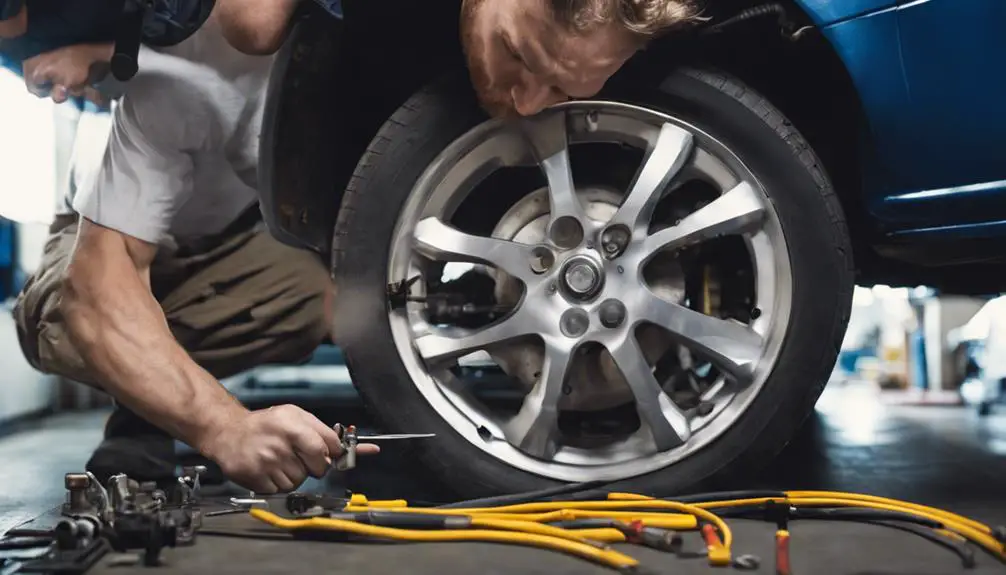
Putting in brake lines the right way is really important to keep your brakes working well. Use tools like a tube cutter and flaring tool to get the lines ready just right. Make sure all cuts are smooth and free of rough edges to keep connections tight and stop leaks. Don't make common mistakes like …
Brake Line Noise: Causes, Diagnosis, and Solutions (2025 Guide)
Brake line noise can mean there are problems with your brakes. This noise can happen because of trapped air, worn-out parts, or old brake fluid. You might hear vibrations, hissing, rattling, or clunking sounds. To figure out what's wrong, check for parts that look worn or for any leaks. Taking a short drive can help …
Brake Line Pressure Loss: Causes, Diagnosis, and Fixes (2025 Guide)
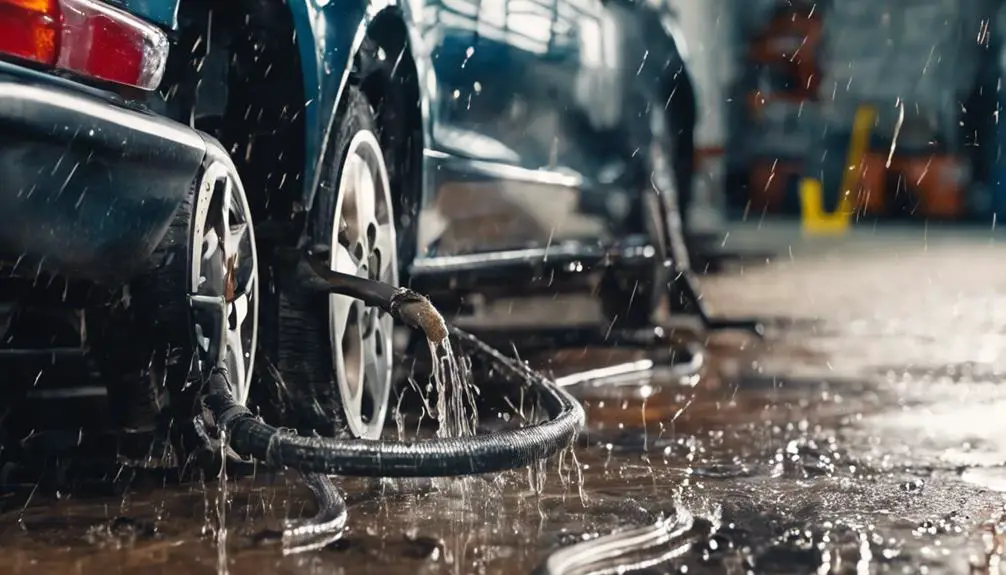
Brake line pressure loss can make it hard for your car to stop safely. This happens when there are leaks or the brake hoses get worn out. Rust, road debris, and old age are common reasons for this problem. If you notice the brake pedal feels soft or your car takes longer to stop, there …
Brake Line Cracking: Essential Tools, Warning Signs, and Repair Costs (2025 Review)
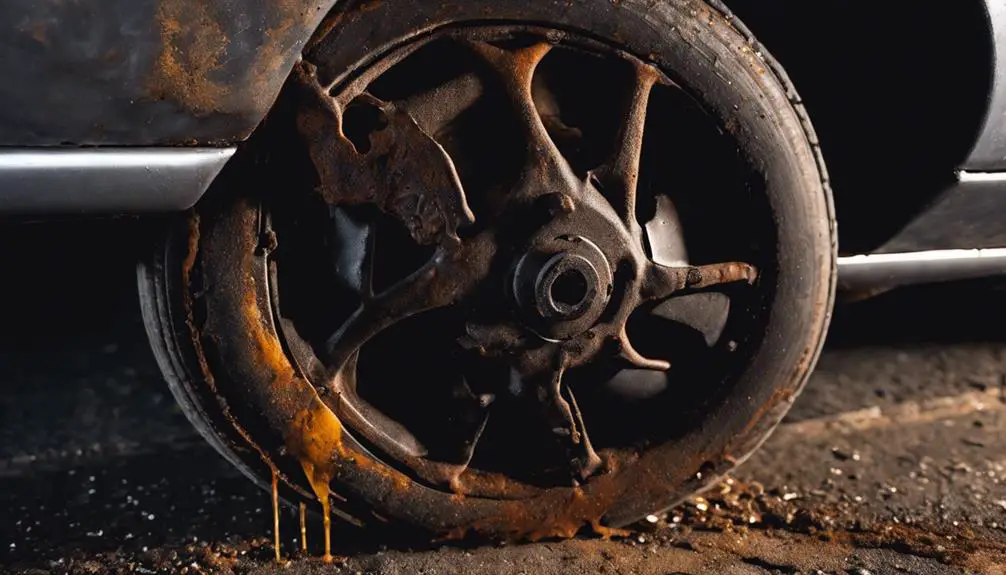
Brake line cracking is a big safety problem in cars. It happens when brake lines wear out or get damaged. This can be due to things like rust, bad installation, or the material getting weak over time. Things like humidity and road salt can make it worse. This is especially true in places with tough …
Brake Line Coating: Expert Advice on Selection, Application, and Maintenance (2025 Guide)
Brake line coatings help keep brake systems working well and lasting longer. Common materials like polyvinyl fluoride, nylon, and zinc-nickel alloys protect against rust and wear. They also guard against things like road salt and temperature changes. These coatings stop rust and leaks, manage heat better, and cut down on maintenance. The coating process includes …
Brake Line Assembly: Essential Tools, Common Issues, and Troubleshooting (2025 Edition)
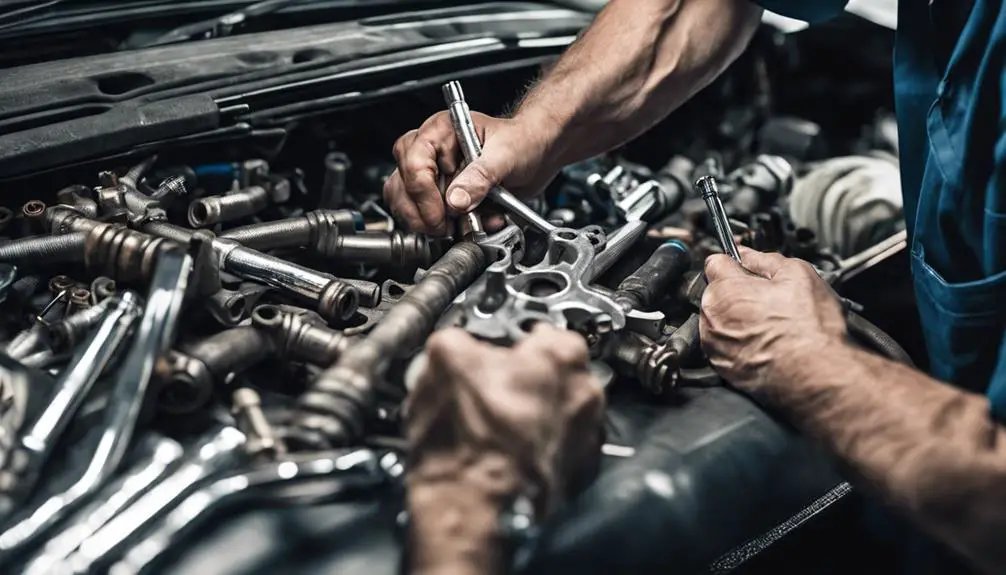
Brake lines are super important for keeping your car safe. Putting them together involves a few steps like measuring, cutting, flaring, and bending the lines so they fit just right. The materials used can be steel, copper-nickel alloy, or stainless steel. Each type of material can change how well the brakes work and how long …