

The National Highway Traffic Safety Administration (NHTSA) assigns airbag crash test ratings to vehicles based on their performance in three crash scenarios: frontal, side, and rollover crashes. The NHTSA conducts rigorous testing to evaluate a vehicle's airbag deployment, crash avoidance features, and seat and head restraints, awarding a rating of one to five stars. The …
Author: Wilder Begay
Wilder Begay is the owner of RAV4 HYBRID PRIME and this website, autocarresource.com. He started this website to enlighten and clarify any confusion about Rav4 SUVs exclusively. The owner tries to take the most frequently asked questions and clarify each and every of those. He aims to give extensive information and knowledge about Toyota Rav4 SUVs.
How Airbag Deployment Sensors Work: A Technical Guide
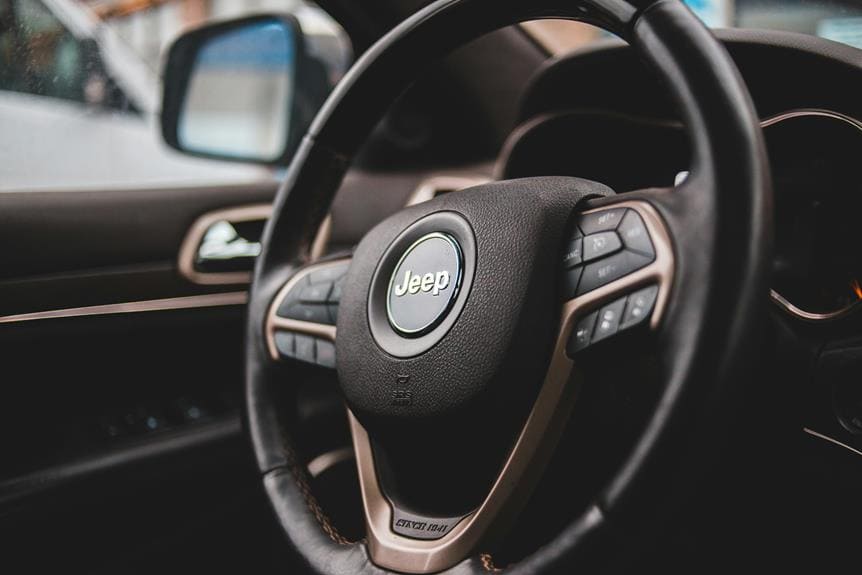
Airbag deployment sensors are a crucial component of modern vehicle safety systems, utilizing a network of accelerometers, inertial sensors, pressure sensors, and radar and camera sensors to detect and respond to various crash scenarios in real-time. These sensors work together to provide accurate and timely detection of crashes, triggering airbag deployment when necessary. Complex algorithms …
Bumper Weight Considerations: Balancing Durability, Efficiency, and Safety (Complete Guide 2025)

The weight of a car bumper depends on a few things. The materials used, how it's designed, what it's supposed to do, and how much it costs all play a part. Common materials like steel, aluminum, plastic, and composites each have their own pros and cons when it comes to weight and strength. Heavier bumpers …
Bumper Repair DIY Tips: Fix Scratches, Dents & Cracks at Home (2025 Guide)
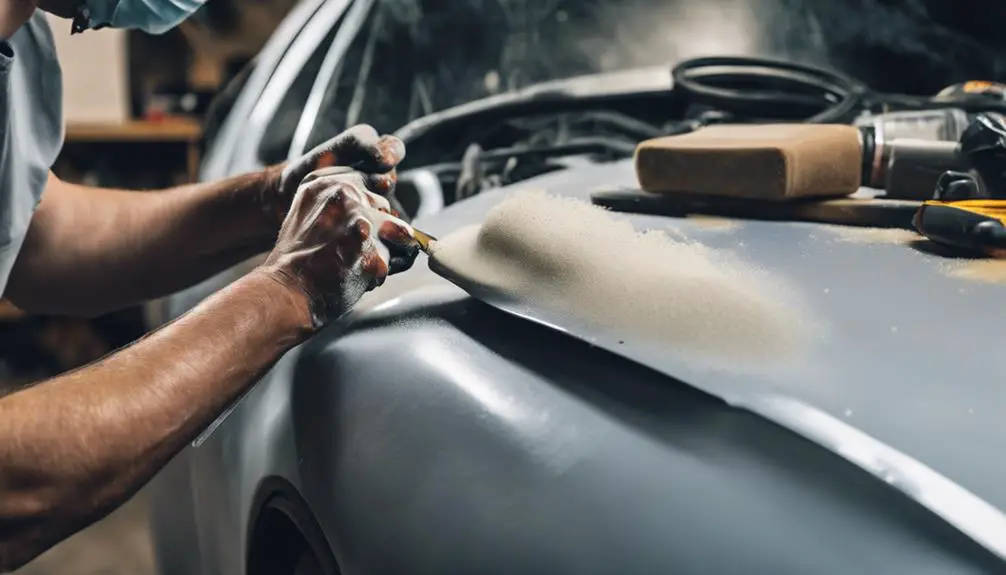
Fixing a car bumper at home is doable if you're prepared and have the right tools. First, wash the damaged area with soap and water. Make sure it's clean and dry. To fix or reshape the bumper, you'll need things like sandpaper, a heat gun, and plastic glue. Use filler to cover up any scratches. …
Custom Bumper Options: From Materials to Installation – Your Complete Guide (2025)

Custom bumpers come in many types. You can choose from tough steel, lightweight aluminum, shiny chrome, or painted ones. Steel and aluminum bumpers are strong and can affect how your vehicle handles and uses fuel. Fiberglass and polyurethane are other options that are flexible and strong. These bumpers can protect your car, add style, and …
Bumper Warranty Information: Coverage, Duration, Exclusions & Claims (2025 Guide)
A bumper-to-bumper warranty covers a lot of parts in a car. It includes things like the electrical system, steering, suspension, and safety features. But it doesn't cover regular upkeep stuff like oil changes, tires, or brake pads. It also doesn't cover damage from accidents or if the car is used wrong. This type of warranty …
Bumper Impact Resistance Testing: From Methods to Safety Ratings – A Complete Overview (2025)
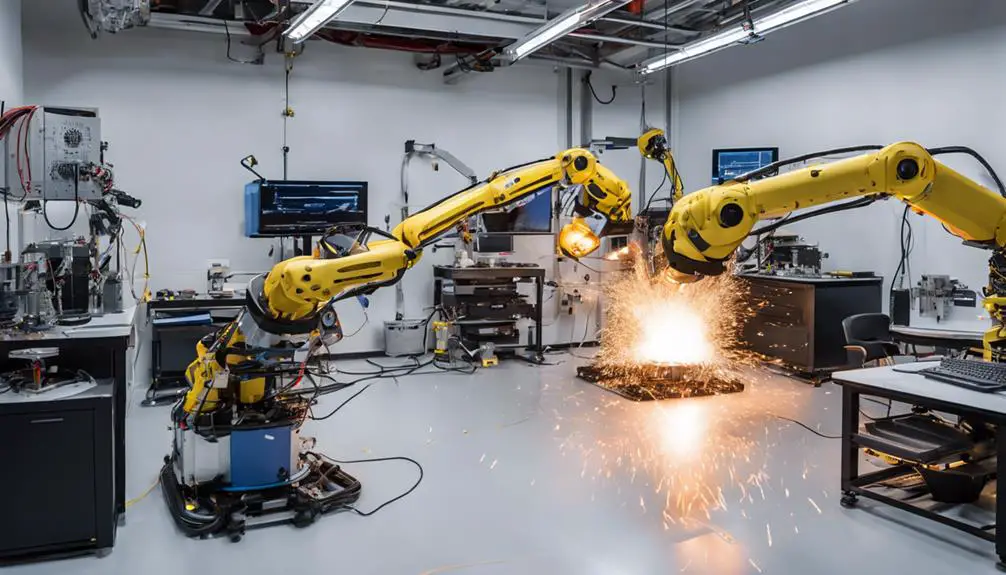
Testing how strong a car bumper is can show how well a car can handle crashes. There are different tests to see how bumpers hold up, like swinging a big weight against them, using a crash sled, or pushing on them to see how they bend and break. These tests help us understand how much …
How to Measure Bumper Size

To measure a car's bumper, you'll need a few simple tools. Grab a measuring tape or a digital ruler to check the size. Use a level to keep things straight, and a shape gauge can help with any curves. Start by placing the car on a flat area. Mark where you want to begin and …
Bumper Compatibility with Car Models: Everything You Need to Know (2025 Insights)

The right bumper for your car depends on things like size, how it attaches, and its design. To make sure it fits, check your car's year, make, and model with the manufacturer's info or use online tools. Some bumpers fit many different cars, but they might not look as good or fit as well. A …
Eco-Friendly Bumper Materials: Sustainable Options, Benefits, and Innovations (2025 Guide)
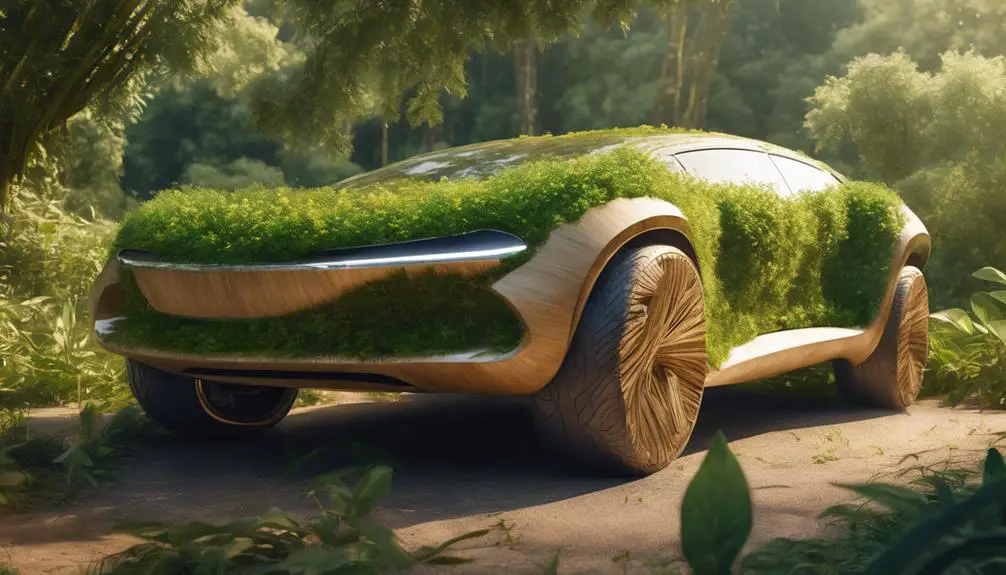
Eco-friendly bumpers are becoming more popular in car making because they are better for the planet. These bumpers are made from materials like thermoplastic olefin, natural fiber composites, and bioplastics. They can be recycled and have a smaller carbon footprint. These new materials are strong and can take a hit just like the old ones …