Ball joint problems can mess with how your car steers and rides. You might notice your tires wearing out unevenly, feel the steering wheel is wobbly, or hear clunking noises when you hit bumps. These issues usually happen because of regular use, bumpy roads, or if the parts weren't put in right. To figure out …
Author: Wilder Begay
Wilder Begay is the owner of RAV4 HYBRID PRIME and this website, autocarresource.com. He started this website to enlighten and clarify any confusion about Rav4 SUVs exclusively. The owner tries to take the most frequently asked questions and clarify each and every of those. He aims to give extensive information and knowledge about Toyota Rav4 SUVs.
Ball Joint Torque Specifications
Ball joint torque specs are really important for keeping your car safe and running well. These specs change depending on what kind of car you have. They're usually given in foot-pounds or Newton-meters. Getting the right torque means the ball joint will stay tight without wearing out too quickly. You can find these specs in …
Ball Joint Lifespan
Ball joints are really important parts of a car's suspension system. They usually last between 70,000 and 150,000 miles. How long they last depends on things like the condition of the roads, how you drive, and if you keep up with maintenance. If you drive mostly on smooth roads, ball joints can last up to …
Difference Between Upper and Lower Ball Joints
Upper and lower ball joints are important for your car's suspension. The upper ball joints help with steering by allowing the steering knuckle to pivot. This helps you steer the car. The lower ball joints carry the car's weight and take on the bumps from the road. Because they hold up the car's weight, lower …
Ball Joint Noise Symptoms
If your car's ball joints are making noises, you might hear clunking, popping, or squeaking sounds. These noises usually happen because the ball joints are worn out, not well-lubricated, rusty, or damaged from a hit. You might notice these sounds more when you turn the steering wheel, hit the brakes, or drive over bumps. Upper …
How to Replace Ball Joints
To change ball joints, first, you'll need some tools: a ball joint press kit, a set of sockets, a torque wrench, a pry bar, and a hydraulic jack with stands. Make sure the car is lifted safely and held up well. Take off the wheel, brake caliper, and rotor so you can get to the …
Signs of a Bad Ball Joint
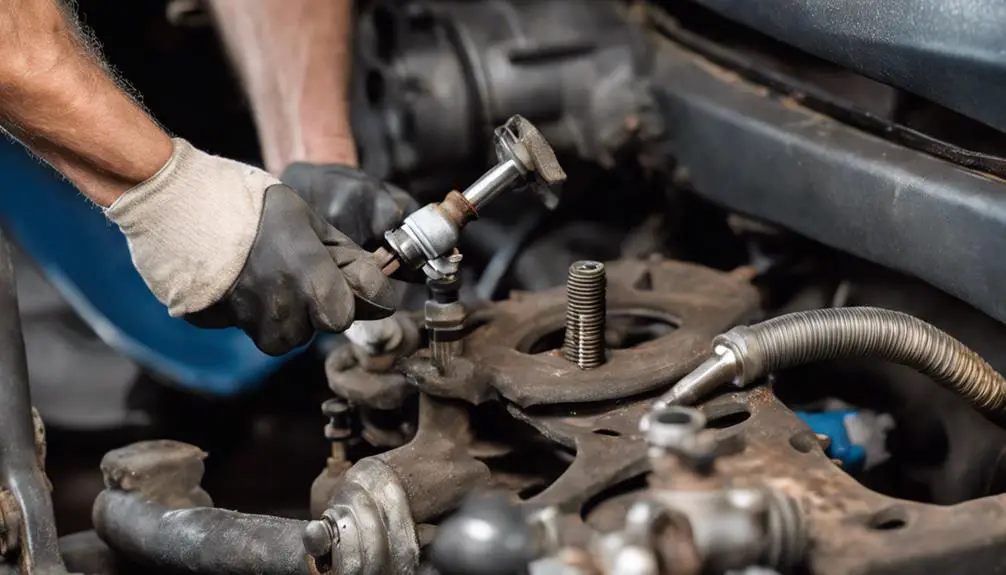
Signs of a bad ball joint can be easy to spot. You might hear clunking or squeaking sounds when you drive over bumps or make turns. The steering might feel loose or wander, and you could feel vibrations in the steering wheel. Tires might wear out unevenly or the car might not be aligned right, …
Ball Joint Replacement Cost
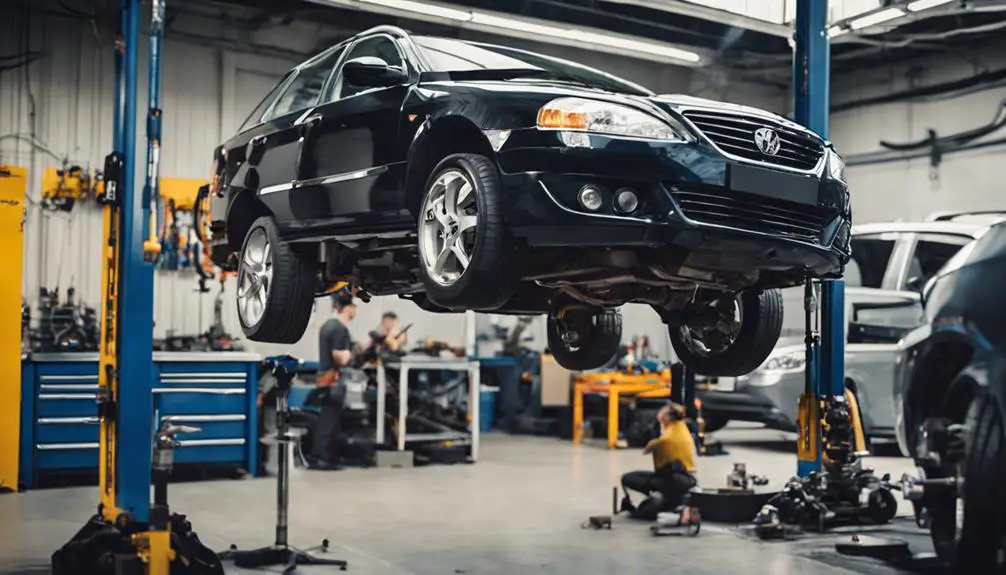
Replacing ball joints usually costs between $100 and $400. This price includes both the parts and the work done to install them. The ball joint part itself costs around $20 to $80. How much you pay for labor can change depending on how complicated your car is and where you live. If you have a …
Brake Light Technology

Brake lights have come a long way, making cars safer with cool new features. LED brake lights are brighter, use less energy, and last longer than the old-fashioned bulbs. Adaptive brake lights change how they shine based on how hard you press the brakes, which helps prevent accidents from behind. These lights can also talk …
Brake Light Innovation

Brake lights are getting better and making cars safer. New types of brake lights use LED technology, which means they're brighter and turn on faster than old-style bulbs. This helps drivers see them more easily and uses less energy. Some lights can flash when a car stops suddenly, which warns other drivers. There are also …